

Logistic Software Takes Center Stage as Supply Chains Go Digital
image for illustrative purpose
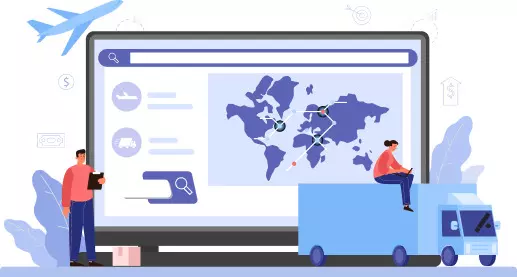
You start your day checking delivery updates, shipment alerts, and inventory numbers. Everything moves fast, yet one delay can break the entire chain. A truck misses its route. A warehouse runs short. A customer waits longer than promised. You realize supply chains are no longer simple systems. They are living networks that demand speed, clarity, and control.
This is where the story changes. As paper trails fade and manual tracking fails, digital tools step into the spotlight. You see, dashboards replace guesswork. You watch real-time data guide smarter decisions. Behind this shift stands a growing reliance on Logistics Software Development Services. These solutions help you track goods, manage fleets, and respond to disruptions before they grow.
What once felt like back-end support now drives the entire operation. As supply chains go digital, logistics software does not follow the change. It leads it.
What Is Logistic Software?
You think of logistics as movement. Goods travel from warehouses to ports, then to cities and doorsteps. Behind every move, decisions happen fast. Logistic software is the system that helps you make those decisions with clarity. It brings planning, tracking, and coordination into one digital space. Instead of relying on calls, emails, or spreadsheets, you see everything in real time.
Why Supply Chains Are Going Digital
You face pressure from every side. Customers expect faster delivery. Markets change without warning. Costs rise while margins tighten. Traditional methods cannot keep up with this pace. Digital supply chains give you the visibility and speed you need to stay in control.
By going digital, you gain real-time insights into inventory levels and transport status. You spot risks early and act before disruptions spread. Data replaces assumptions. Automation reduces manual errors. You also improve collaboration across teams and partners. Everyone works from the same information.
Digital systems help you scale without chaos. As volumes grow, processes stay stable. This shift is no longer optional. It is a response to how modern trade works. As supply chains evolve, digital tools become the foundation that keeps everything moving smoothly.
Key Areas Where Logistics Software Is Making an Impact
You see the impact of logistic software the moment operations begin to flow without friction. Transportation planning becomes smarter. Routes adjust in real time when traffic or weather disrupts schedules. Fuel use drops, and delivery times improve. What once required constant manual checks now runs on live data.
Inside warehouses, inventory no longer sits in the dark. You track stock levels as they change. Orders move faster from shelves to shipment. Errors are reduced because systems guide every step. This level of visibility helps you meet demand without overstocking or shortages.
Real-time tracking adds another layer of control. You know where goods are at every stage. Updates reach teams and customers instantly. When delays appear, you respond early instead of reacting late. Data insights also shape long-term planning, helping you refine processes and predict future needs with confidence.
Industry Response to the Digital Shift
Across the logistics sector, you notice a clear shift in mindset. Companies no longer view digital tools as optional. They see them as essential to survival. Investment in logistics technology continues to rise as firms seek faster, leaner operations.
Many businesses turn to custom platforms that fit their workflows. Cloud-based systems gain traction due to their flexibility and scale. Mobile access supports on-ground teams, keeping everyone connected. At the same time, partnerships with a reliable software development company grow stronger. These partners help integrate systems, automate tasks, and unlock the true value of data.
As competition intensifies, you understand the message is clear. Those who adapt move ahead. Those who delay risk falling behind. The digital shift is not slowing down. It is redefining how the logistics industry operates.
Conclusion
You reach a point where the shift feels unavoidable. Supply chains no longer rely on instinct or manual follow-ups. They depend on data, speed, and visibility. Logistic software has moved from a support function to a core driver of daily operations. It helps you reduce delays, control costs, and respond faster to change.
As digital systems connect transport, warehouses, and teams, you gain a clearer view of the entire flow. Decisions become proactive instead of reactive. This is why more businesses now invest in tailored solutions built for their exact needs. With the right Logistics Software Development Services, you can align technology with strategy and scale with confidence.
The story of modern supply chains continues to evolve. Those who embrace digital tools today are better prepared for tomorrow’s demands. In this new landscape, logistic software does not just support growth. It shapes it.





